The world doesn’t need another 800-page Python encyclopedia. Seriously. Most people who want to learn a language don’t need a comprehensive reference manual that covers every esoteric feature they’ll never use. They need a straight path to get from zero to building something useful. The rest is just noise.
Most of the “learn to code” industry is built on making things seem more complex than they’re. It sells courses, it sells books, it sells bootcamps. But it often leaves you paralyzed, wondering if you’re doing it the “right” way. The secret is there is no one right way. There’s just getting started.
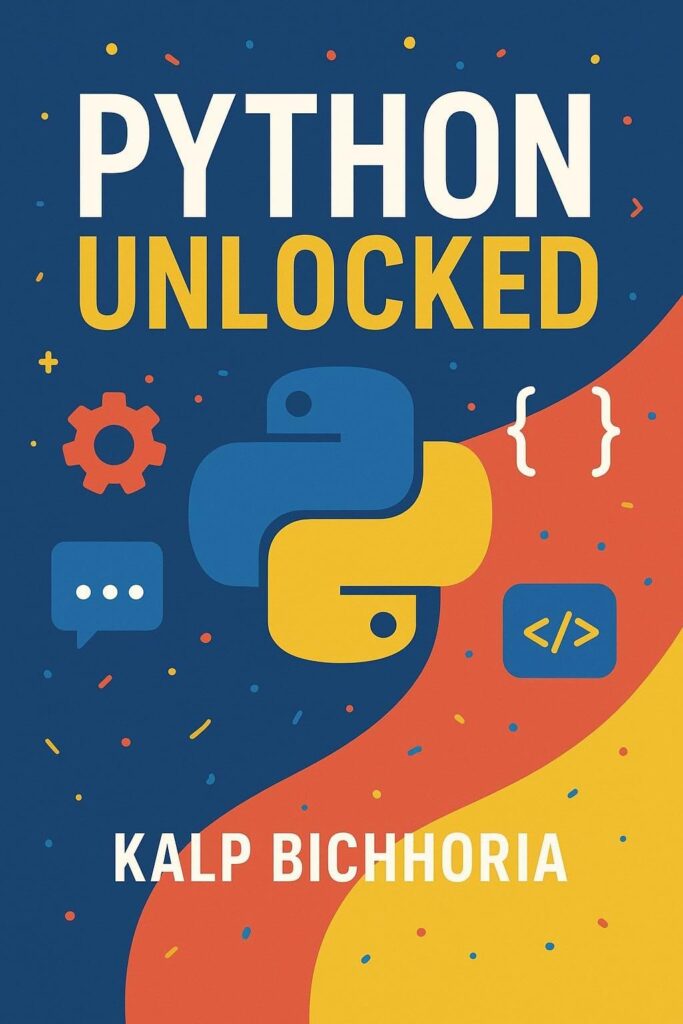
This book, Python Unlocked, seems to get that. The description cuts through the usual fluff. It’s not promising to make you a wizard overnight. It’s promising a guided tour of the fundamentals so you can stop reading and start actually using it.
So, Who Is This Actually For?
The cover might say “for learners at every level,” but let’s be real. No book is for everyone. That’s just marketing talk. Based on this, here’s my breakdown of who should actually grab this.
This book is for you if:
- You are a complete beginner. You’ve heard about Python, you are curious, but you’re stuck in the endless loop of “where do I even start?”. This looks like a clear, concise runway to get you off the ground. Stop watching a million YouTube videos. Just read this and follow along.
- You’ve dabbled but never stuck with it. You’ve probably written a “Hello, World!” a dozen times in a dozen languages. You know what a variable is, sort of. The book seems structured to give you the solid foundation you are missing, letting you finally move past the basics.
- You’re a self-taught hacker who feels like an imposter. You know how to stitch together code from Stack Overflow to get a script working, but you have nagging doubts about the fundamentals. A short, practical book like this could be the perfect weekend read to fill in the gaps without bogging you down in academic theory.
The book is NOT for you if:
- You are an experienced Python developer. Obvious, but it needs to be said. That is not for you. You won’t find deep dives into asynchronous programming or advanced metaprogramming. It would be a complete waste of your time.
- You’re looking for a reference manual. This seems designed to be read cover-to-cover, not as a lookup guide. Its value is in the journey, the “companion” aspect the author talks about. For a reference, just use the official Python documentation online. It is free and it is definitive.
The author’s tone about it being a “companion” and reflecting “the mistakes I’ve made” is the most promising part. The best way to learn is from someone who’s been there, someone who can tell you what matters and what doesn’t in the real world. This sounds less like a textbook and more like a set of practical, opinionated advice. And that’s exactly what most people need to finally get going.