Handling Unraisable Exceptions with sys.unraisablehook

Handling Unraisable Exceptions with sys.unraisablehook

Unraisable exceptions in concurrent and asynchronous programming can lead to application instability. Best practices include using try-except blocks, logging errors, and employing sys.unraisablehook for global exception handling. Implementing notification systems enhances proactive error management, ensuring issues are addressed promptly. Clear documentation is essential for user integration.

Getting Current Frames with sys._current_frames

Getting Current Frames with sys._current_frames

Utilizing sys._current_frames requires a structured approach to minimize performance impact. Implement dedicated debugging utilities, handle exceptions gracefully, and employ conditional logic to optimize frame retrieval. Centralized logging and profiling tools like cProfile enhance analysis of thread states, aiding in identifying performance bottlenecks and improving application efficiency.
Understanding Python Version with sys.version_info

Understanding Python Version with sys.version_info

Version checking is essential for robust Python programming, ensuring compatibility and preventing runtime errors. Implementing minimum version requirements allows clear feedback for outdated Python versions. This practice aids in testing frameworks, enabling specific functionalities based on Python versions, and enhances maintainability while reducing technical debt in projects.
Inspecting Floating Point Information with sys.float_info

Inspecting Floating Point Information with sys.float_info

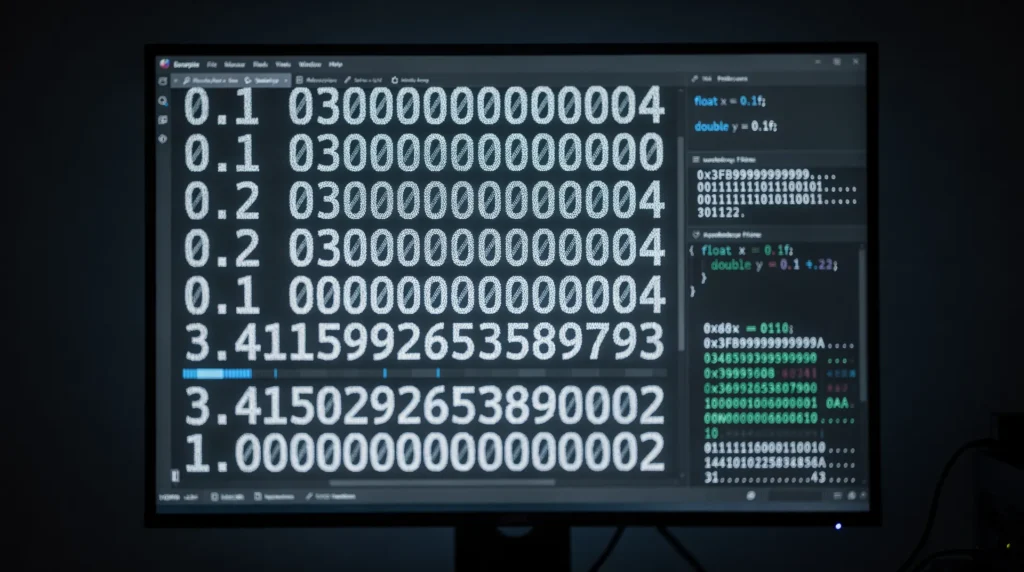
Understanding floating point precision is crucial in programming, particularly in Python. Cumulative errors can arise during operations like addition, leading to unexpected results. Implementing error checking, such as using `math.isclose()`, helps compare values effectively. Awareness of library handling of floating points is essential for maintaining accuracy in computations.
Accessing Frame Information with sys._getframe

Accessing Frame Information with sys._getframe

Implementing decorators using sys._getframe allows automatic logging of caller function names, enhancing debugging and profiling. This technique enriches error reporting with detailed context, measures execution time, and formats tracebacks neatly. Utilize frame objects for dynamic introspection, improving code maintainability and performance analysis.
Python

Interacting with IO Streams through sys.stdin, sys.stdout, and sys.stderr

Sys.stdin, sys.stdout, and sys.stderr provide essential interfaces for input and output in Python. Fine control over output formatting is achievable via methods like write() and flush(). Error messages can be directed to sys.stderr, maintaining separation from standard output, crucial for debugging and logging in complex applications.
Accessing Python Implementation Details with sys.implementation

Accessing Python Implementation Details with sys.implementation

Integrating sys.implementation into projects enhances code adaptability and robustness. Conditional execution based on Python implementation optimizes performance and utilizes specific features. Key applications include optimizing for CPython or PyPy, implementing compatibility checks, and creating dynamic logging for troubleshooting. Utilize sys.implementation for better user experiences and maintainable code.
File System Encoding with sys.getfilesystemencoding

File System Encoding with sys.getfilesystemencoding

Writing cross-platform code requires normalizing file names to Unicode strings early and encoding only during interactions with the OS or binary APIs. Handling byte strings from os.listdir() and sanitizing user input for invalid characters ensure compatibility. Utilizing the pathlib module can streamline file operations with Unicode paths.