Flask Request Hooks for Pre- and Post-Request Processing

Flask Request Hooks for Pre- and Post-Request Processing

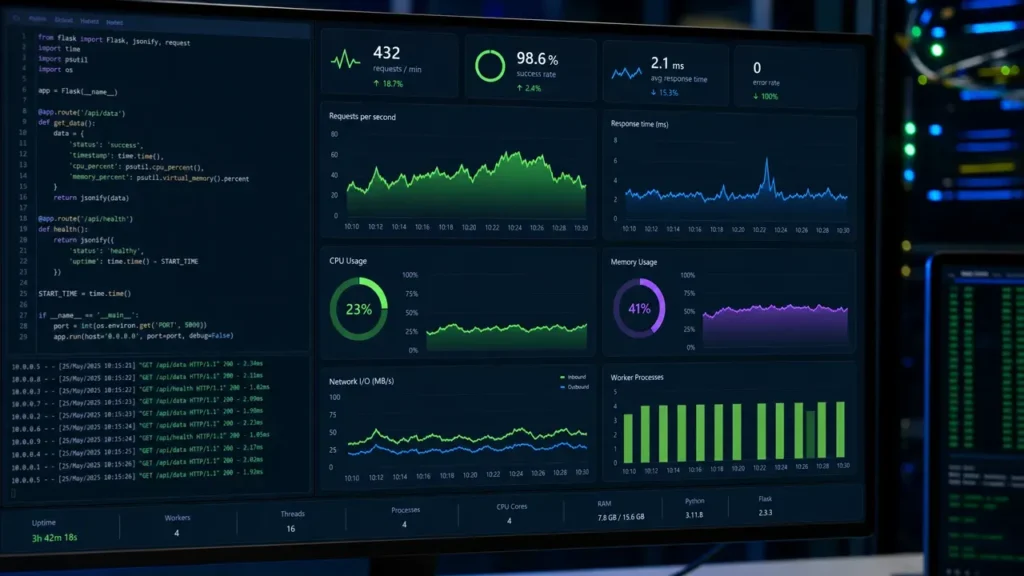
Common pitfalls in Flask request hooks include performing heavy operations synchronously, modifying request/response objects incorrectly, and misusing the g object for persistent state. Best practices involve focused hooks, safe resource management with teardown_request, and careful response handling to avoid bugs and ensure maintainability.
Flask Environment Variables and .env Files

Flask Environment Variables and .env Files

Effective secret management in Flask applications is crucial for security. Avoid committing sensitive information like API keys and database passwords to version control. Use .gitignore for local .env files, and secure secret management systems from cloud providers for production. Rotate secrets periodically and limit environment variable scope to enhance security.
Integrating Flask with Front-End Technologies

Integrating Flask with Front-End Technologies

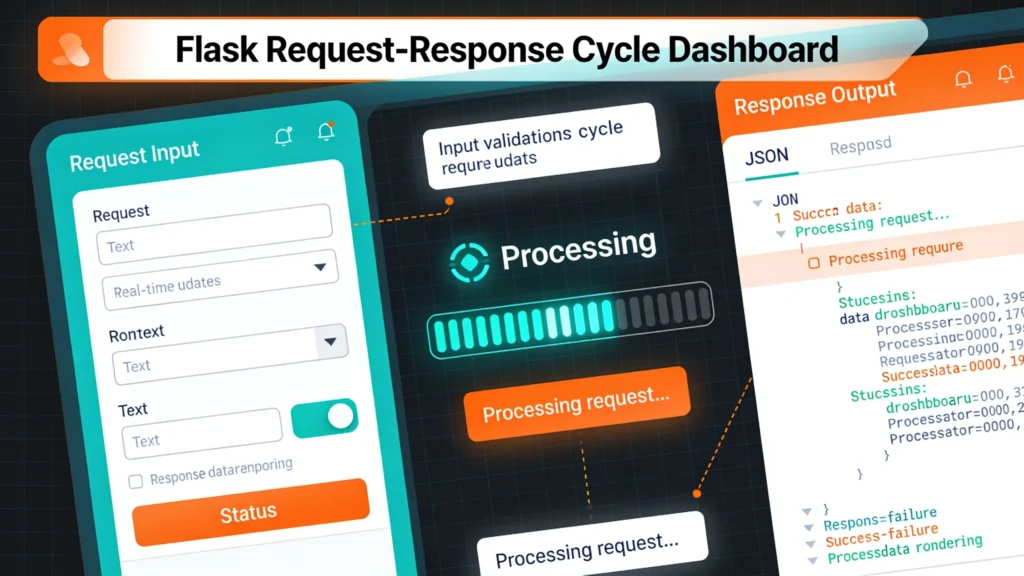
Establishing a reliable request-response cycle is crucial for maintaining coherent data flow and handling asynchronous operations between front-end and back-end systems. Using Flask’s request parsing and validation techniques, such as marshmallow or pydantic, ensures robust API endpoints. Standardizing responses with metadata improves clarity and user feedback in web applications.
Implementing a UDP Server in Python

Flask Extensions: Enhancing Applications with Additional Functionality

Building a custom Flask extension can enhance control and flexibility for your application. Evaluate specific needs to implement unique features or specialized functionalities, such as custom caching or data validation. A hybrid approach, using established extensions alongside custom solutions, can optimize development speed and application robustness.