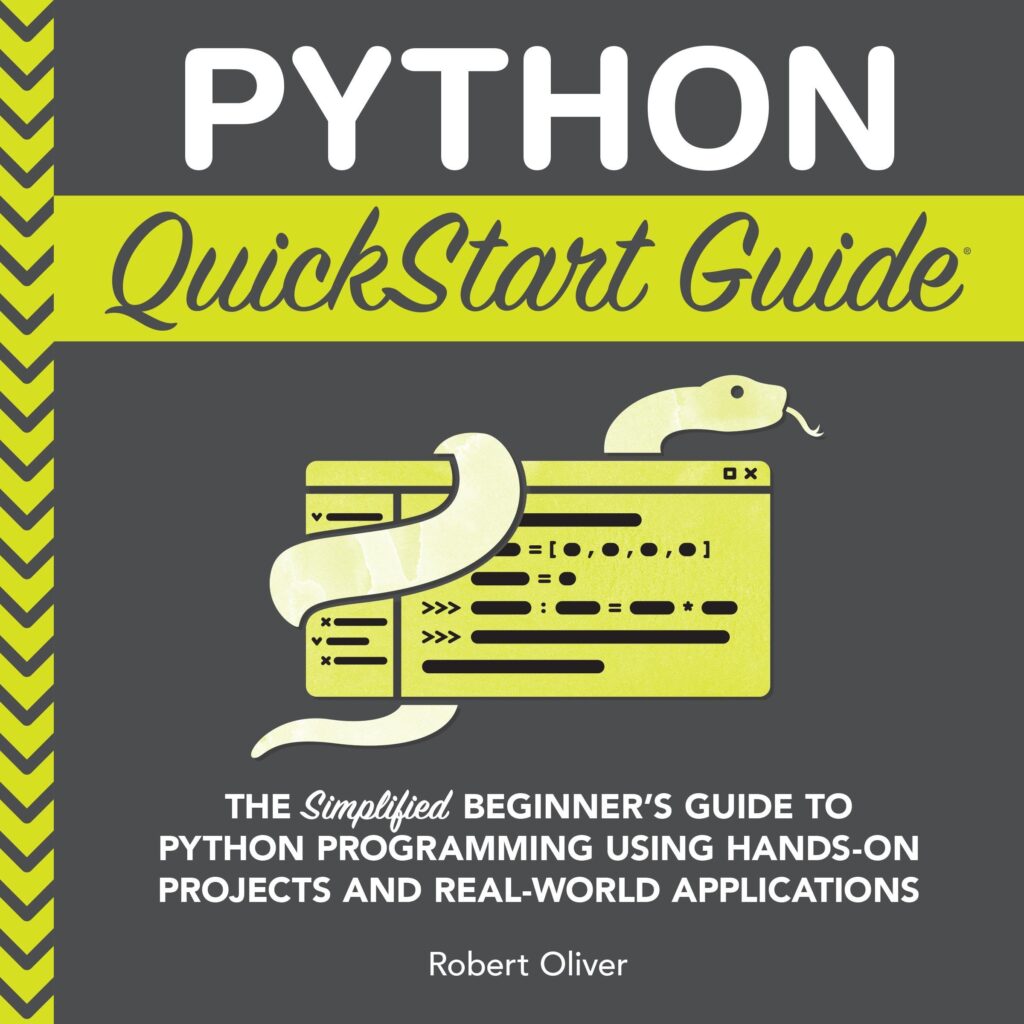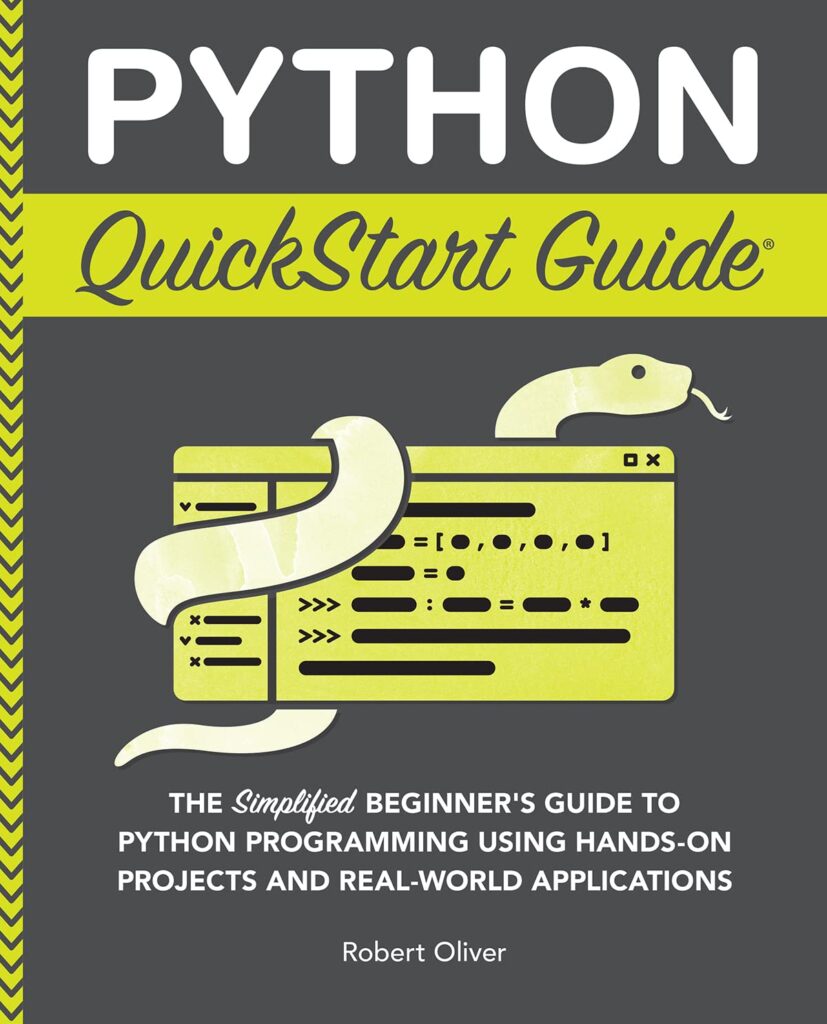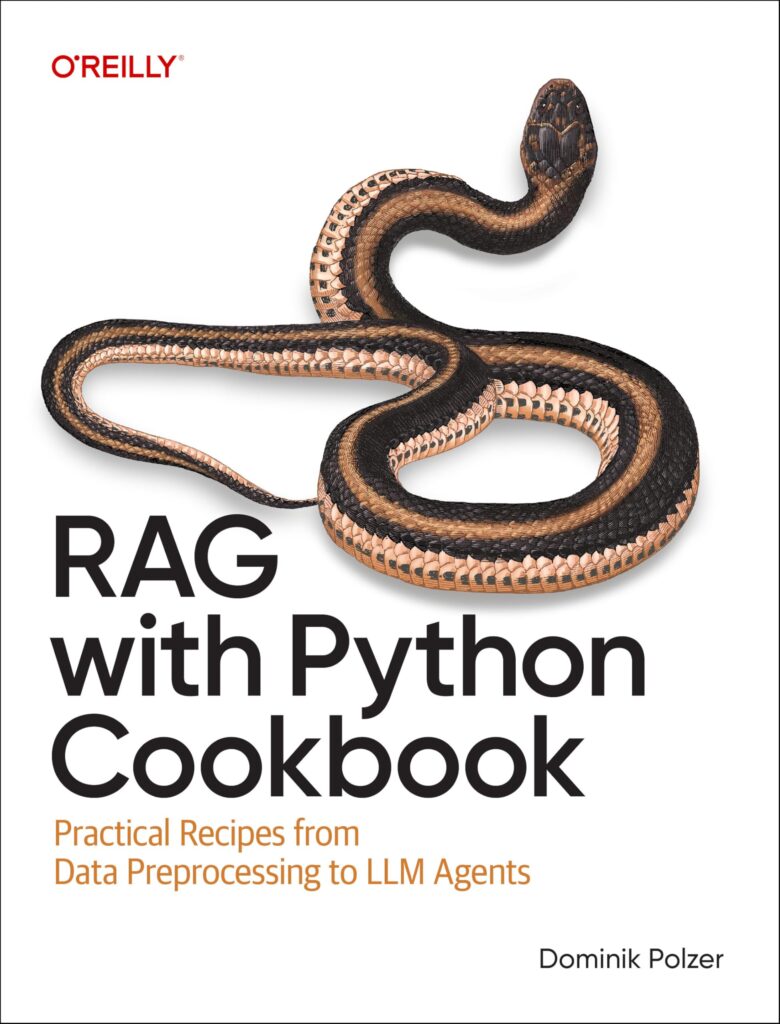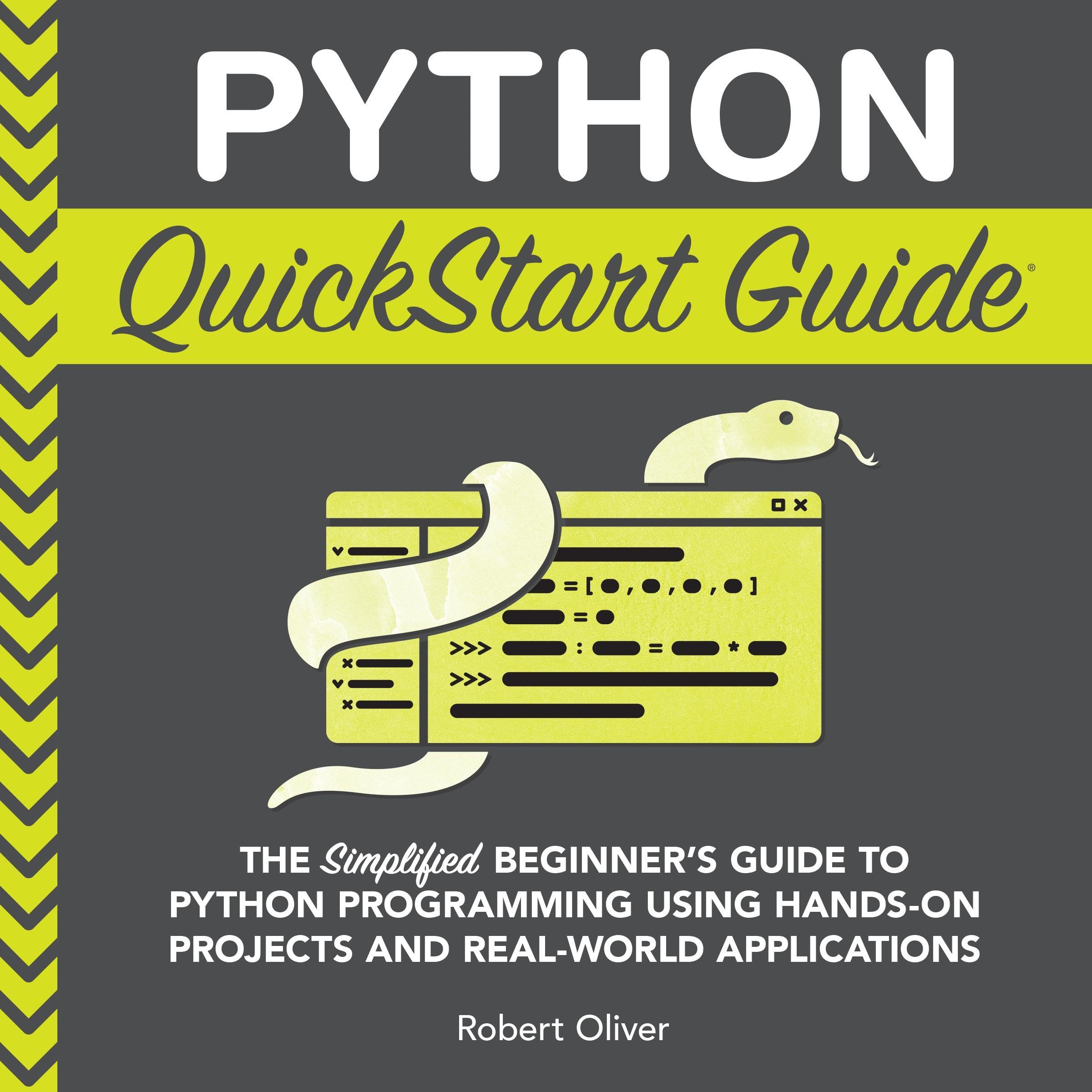
Alright, let’s talk about this book. You see a title with “QuickStart Guide” and your professional skepticism should kick in. Mine did. The world is full of books promising to make you a master programmer overnight. They are, for the most part, snake oil. They show you recipes, you copy them, and you learn precisely nothing about the craft.
So, what’s different here? The description points to one critical factor: the author. It says he’s a senior developer with over two decades of experience. This is not a trivial detail. This means the knowledge isn’t academic or theoretical; it’s forged in the fires of real projects, deadlines, and bugs. A craftsman is teaching you the trade. That, and that alone, is reason to pay attention.
The promise isn’t just to learn Python; it’s to learn fundamentals. Good. The language of the day is just a tool. Today it’s Python, tomorrow it might be something else. The fundamentals—variables, loops, conditionals, functions, data structures—are eternal. If this book drills those fundamentals using Python as the medium, then it’s doing its job.
So, Who Is This book Really For?
Based on the description, this book isn’t trying to be the definitive, encyclopedic reference. It’s a starting point. It’s for the person who is standing at the bottom of the mountain, looking up, and needs a guide to show them the first, most important steps on the trail.
- The absolute beginner. You’ve heard about programming, you’re curious, but you don’t know a variable from a function. The step-by-step, hands-on approach described here is for you. The goal is to get your hands dirty, to write code, to see it work, and more importantly, to see it fail and learn why it failed.
- The programmer coming from another language. You know how to code in Java, C#, or JavaScript. You don’t need to be told what a `for` loop is. But you need to learn the Pythonic way of doing things. This guide seems geared to get you productive quickly, bypassing a lot of the beginner theory you already know.
- The professional in a non-coding role. You’re a data analyst, a scientist, a sysadmin. You are tired of doing repetitive tasks by hand. You’ve heard Python can automate your life. The book appears to be your entry point into writing scripts that will save you hours of mind-numbing work.
How You Should Use The book
Do not read the book like a novel. That would be a waste of your time and money. A book like this is a tool, a workbook. If I were mentoring you, that’s what I’d tell you to do:
-
전류
- Type every single line of code. Do not copy-paste. The act of programming is a physical skill that lives in your fingers and your brain. You must build that muscle memory.
- Do the project. The description mentions building a game. Do it. A project is what ties all the disparate concepts together into a coherent whole. A project is where the real learning happens.
- Break the code. On purpose. After you get a piece of code working, change it. Make it fail. See what error message it gives you. Understand the consequences of your changes. That’s how you learn to debug.
- Use the “FREE Digital Bonuses.” A GitHub repository is not a bonus; it’s a necessity. It’s where you can check your work. Cheat sheets are fine, but don’t become dependent on them. Use them to remind you of syntax, not to replace understanding.
The goal isn’t to “finish the book.” The goal is to internalize the fundamentals of programming. The description suggests this guide is a practical, no-nonsense path to that goal, written by someone who has walked the path himself. If you are serious about learning the craft and are willing to do the work, this sounds like a solid place to start your journey.