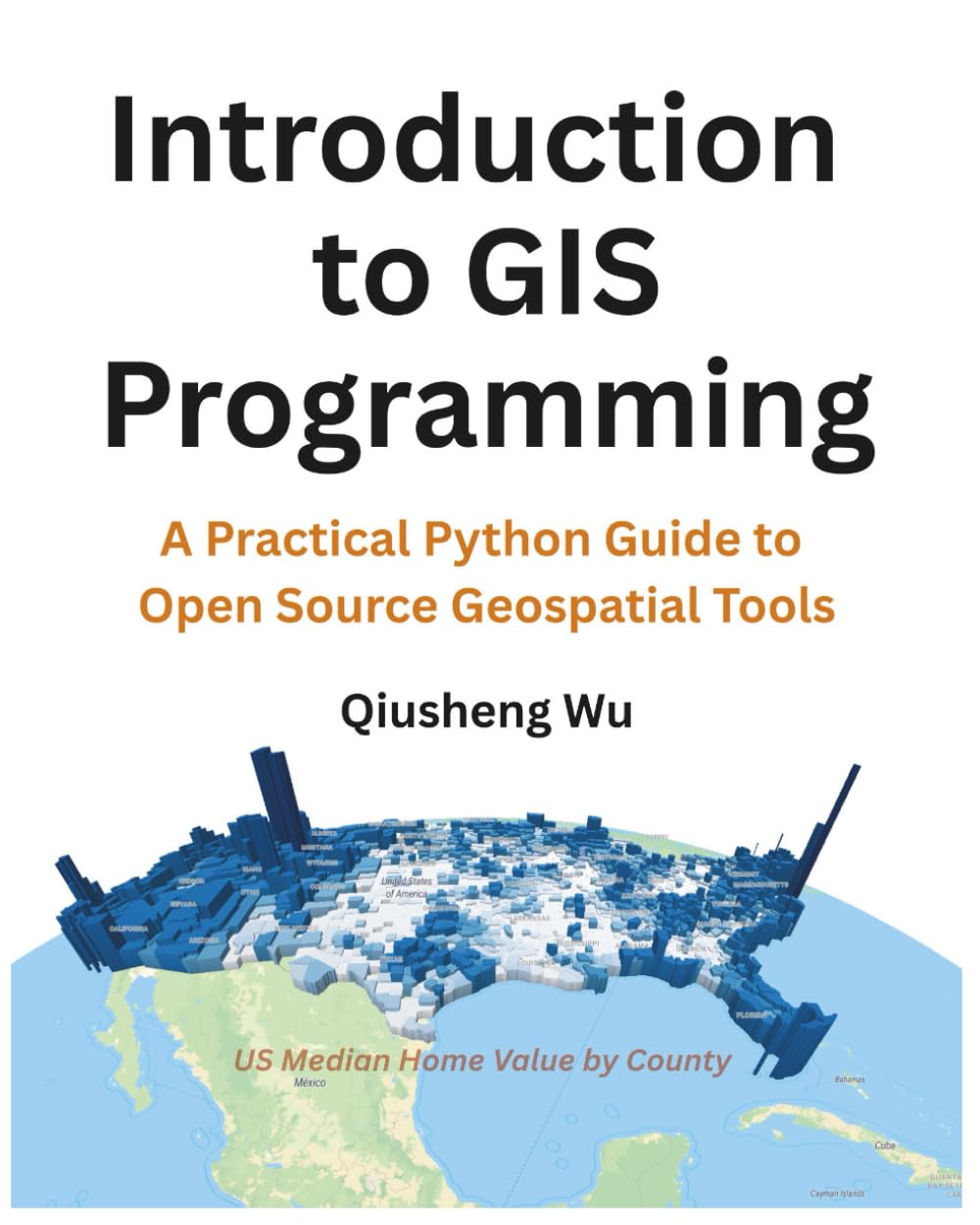
Okay, so I’ve been diving into a lot of programming books lately, and this one on GIS programming with Python caught my eye. It’s all about getting hands-on with open source geospatial tools, and if you’re like me—someone who likes to build things that actually work in the real world—this could be a game-changer. Think of it as a straightforward guide that skips the fluff and jumps right into practical coding for maps, data analysis, and all that geo stuff.
Why You’d Want This If You’re Hacking on Data
If you’re a beginner programmer curious about geographic information systems, or maybe you’re already messing around with Python and want to level up into areas like remote sensing, this book is spot-on. It’s not about theory for theory’s sake; it’s about building real projects that you can use right away. Imagine scripting tools to analyze satellite images or create interactive maps—stuff that feels immediate and useful.
- Great for data scientists who deal with location-based data and need to automate workflows without getting bogged down in proprietary software.
- Perfect for environmental pros or urban planners who want to use Python to make sense of spatial data, like tracking climate changes or city layouts.
- Even if you’re just a hobbyist tinkerer, this’ll give you the practical edge to turn ideas into working apps, which is how I think real learning happens.
In my experience, the best way to learn programming is by solving actual problems, and this book seems to nail that for GIS. If you’re tired of abstract tutorials and want something that gets you coding with open source tools quickly, grab this. It’s like having a smart friend walk you through the essentials, one practical step at a time.